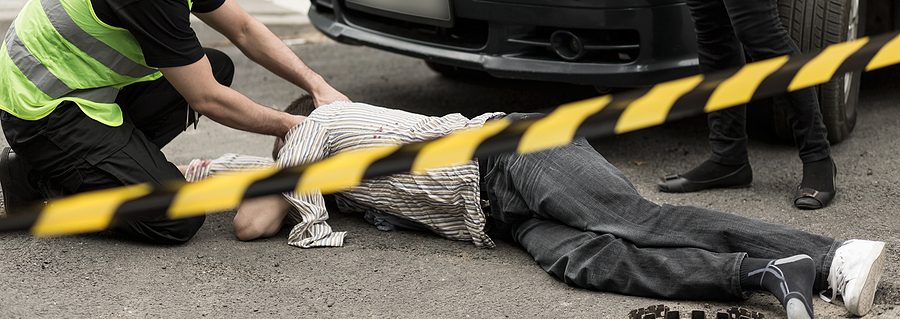
Staying Safe as Pedestrian Accidents Are on the Rise
Pedestrian accidents are on the rise across the country, and many people underestimate the risks they face every day while walking through a neighborhood, downtown, or other places where there is motor vehicle traffic. What used to feel like a routine walk to school, work, or the store has become increasingly hazardous due to factors that affect both pedestrians and drivers.
Recent statistics show a steady increase in pedestrian injuries and fatalities. In many cases, these incidents occur at intersections, crosswalks, and along busy roads where pedestrians and vehicles share limited space.
Several factors contribute to this growing problem. Distracted driving is one of the most common causes, as more drivers look at phones or dashboard screens instead of the road. Speeding also plays a significant role, especially in residential or low-speed zones where drivers fail to slow down in time. Poor lighting, adverse weather conditions, and pedestrian visibility also increase the likelihood of accidents.
Pedestrians, too, can unintentionally increase their risk by crossing outside designated crosswalks, ignoring signals, or walking while distracted by devices. Even small lapses in attention can have devastating consequences. The combination of high traffic, fast-moving vehicles, and limited pedestrian infrastructure creates a dangerous environment that puts walkers at risk of serious harm.
For many people, walking is a daily necessity rather than a choice. Children walking to school, older adults crossing busy streets, and workers navigating urban intersections all face exposure to potential hazards. The growing number of vehicles on the road and the distractions of modern life make staying alert more important than ever.
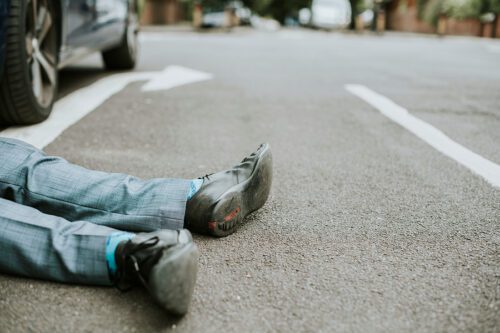
The Human and Financial Toll of Pedestrian Accidents
The aftermath of a pedestrian accident can be life-altering. Victims often experience severe physical injuries that may require extensive medical treatment, rehabilitation, and time away from work. Broken bones, head injuries, spinal trauma, and internal damage are common and can take months or years to heal. Even when recovery is possible, the emotional effects, like anxiety, fear of crossing streets, or post-traumatic stress, may last much longer.
The financial strain can be overwhelming. Medical expenses, therapy costs, and lost wages can quickly accumulate, leaving families struggling to manage their daily expenses. Insurance coverage is often confusing, and many injured pedestrians are unsure which policies apply or how to file personal injury claims for compensation. This uncertainty can delay recovery and add unnecessary stress at a time when healing should be the priority.
In many situations, determining who is responsible for a pedestrian accident can be complex. Drivers may claim they did not see the pedestrian or that the person crossed outside a designated zone. On the other hand, pedestrians may feel powerless to prove negligence when facing large insurance companies or legal teams representing at-fault drivers. This imbalance can make it difficult for victims to obtain fair compensation for their injuries and losses.
These challenges highlight the importance of legal support. A pedestrian injury lawyer can help investigate the circumstances of the accident, gather evidence, and build a strong case for financial recovery. While no outcome can erase the trauma of an accident, professional legal assistance may help victims focus on healing while protecting their rights.
The emotional toll of these accidents also affects families and caregivers. Watching a loved one struggle through recovery or cope with a fatal pedestrian accident brings unimaginable pain. These situations remind us that pedestrian safety is not only a matter of individual responsibility but also a shared community concern.
Practical Ways to Stay Safe and Prevent Pedestrian Accidents
Pedestrian safety depends on both awareness and action. Whether walking across a quiet neighborhood street or a busy downtown intersection, taking a few extra precautions can significantly reduce the risk of injury.
For pedestrians, safety begins with visibility, attention, and caution. Here are several simple but effective steps to help reduce the likelihood of an accident:
- Always use marked crosswalks and obey traffic signals. Crossing at intersections gives drivers a clearer view and helps prevent unexpected encounters.
- Stay alert and avoid distractions. Refrain from texting or wearing headphones while crossing streets so you can see and hear approaching vehicles.
- Wear bright or reflective clothing at night. Visibility is one of the strongest defenses against accidents, especially in low-light conditions.
- Walk on sidewalks whenever possible. If no sidewalk is available, walk facing traffic (as close to the edge of the road as is practical) so you can see oncoming vehicles and take evasive action if needed.
- Be cautious at driveways and parking lots. Many accidents occur when vehicles are backing out of spaces or turning into driveways.
Drivers also have a significant role in preventing pedestrian injuries. Speed limits exist for a reason, and slowing down near schools, intersections, and residential zones can save lives. Drivers should always yield to pedestrians in crosswalks, remain alert in parking lots, and avoid distractions that take their focus off the road.
Pedestrian safety is a shared responsibility. When both drivers and pedestrians follow traffic laws and stay alert, accidents are far less likely to occur. Local communities can also contribute by supporting safer pedestrian friendly infrastructure that helps reduce speed and provides physical protection to pedestrians. Short of that, easily attainable options include better crosswalk lighting, clear signage, and speed enforcement in pedestrian-heavy areas.
Despite these precautions, accidents can still happen. In those cases, victims may want to contact a personal injury lawyer who has experience with pedestrian accident injury cases.
An experienced lawyer may be able to help victims recover costs related to:
- Medical bills and rehabilitation expenses
- Lost income from time away from work
- Long-term care or therapy costs
- Pain, suffering, and emotional distress
- Property damage, if applicable
Victims may be able to recover compensation depending on the specifics of their case. Every situation is unique, and the right legal support can make the process less stressful and more transparent.
Taking Steps Toward Safety and Recovery
Pedestrian accidents continue to rise, but awareness and proactive measures can help protect lives. Staying alert, using crosswalks, and making safe choices on the road are simple but powerful ways to prevent tragedy. At the same time, drivers must remain attentive, avoid distractions, and respect the right-of-way of pedestrians to help make roads safer for everyone.
If an accident does occur, victims may feel overwhelmed, uncertain, or even hopeless about the path ahead. Recovering from injuries, managing financial strain, and dealing with insurance companies can be challenging. Legal assistance can make a meaningful difference during this time.
For those who have lost income or face long-term medical care, compensation from a personal injury claim may help ease financial stress and cover necessary treatments. While outcomes vary, pursuing legal action can hold negligent drivers accountable and prevent similar accidents from happening in the future.
Pedestrian safety requires collective awareness and ongoing attention. By practicing caution, following traffic rules, communities can reduce the growing number of pedestrian injuries. And when accidents do occur, professional legal support offers a path to justice.
If you or someone you care about has been injured in a pedestrian accident, contact Arthur Law Firm for a free consultation. Our team can review your situation, explain your legal options, and assist you in taking the next step toward recovery.