Minimize Your Risk of Accidents in Foggy Road Conditions
Driving through fog can feel unsettling, even for experienced drivers. The dense mist that rolls across highways and backroads alike can make it difficult to see what lies ahead. Reduced visibility increases the chance of collisions, often giving drivers only a few seconds to react to changes in traffic. Understanding how fog affects driving behavior, how accidents happen, and what to do afterward can help you stay safe and protect your rights if a car accident occurs.
The Hidden Dangers of Driving in Fog
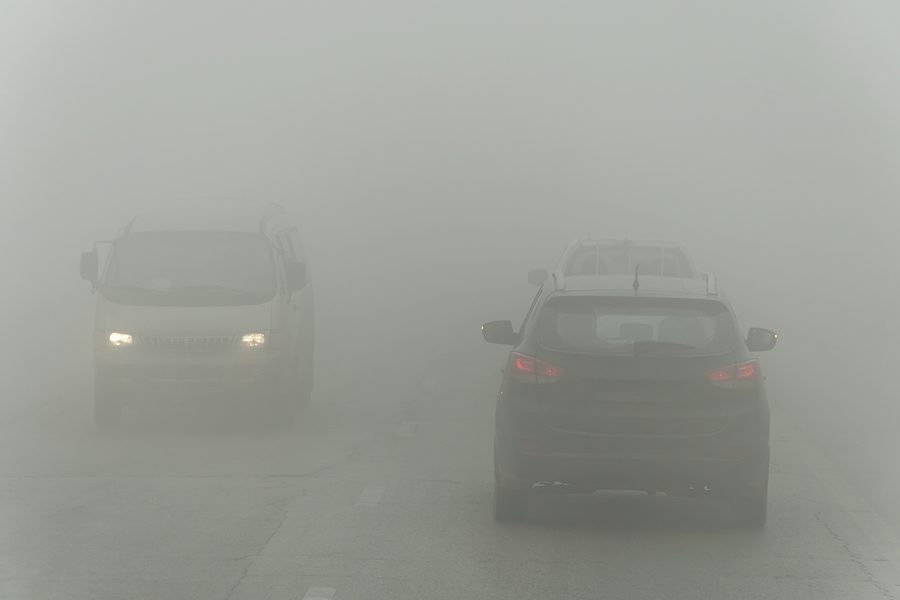
Foggy road safety is one of the most overlooked aspects of driving preparation. Many people underestimate how drastically visibility can drop when fog drops and becomes more dense. What seems like a light haze at the start of a trip can quickly turn into dense, blinding mist that obscures vehicles, road signs, and lane markings.
When driving in fog, your depth perception, color recognition, and peripheral vision can all be compromised. This makes it harder to judge distances and detect motion, even from vehicles directly ahead. It causes headlights and streetlights to scatter, creating glare that further limits your ability to see clearly. It can also cause your own headlights to reflect back at you, compounding your visual deficit.
Low-visibility driving creates a chain reaction of risks. Drivers may unknowingly follow other vehicles too closely or react too late to brake lights. Multi-car pileups often occur when one vehicle stops suddenly, and others behind cannot see the hazard in time.
Another danger comes from overconfidence. Many drivers assume they can “power through” fog because they are familiar with the route and trust their instincts. Unfortunately, fog can mask curves, intersections, obstacles, and pedestrians, making familiar roads unpredictable. Reduced visibility also delays response time, which can turn minor misjudgments into serious crashes.
The Far-Reaching Impact of Fog-Related Accidents
A fog-related car accident can leave lasting effects on every part of your life. Beyond the immediate physical injuries, you may face steep medical bills, missed work, and the emotional strain of recovery. Some people may struggle with chronic pain or mobility limitations long after the crash.
The financial burden can quickly add up, too. Hospital stays, physical therapy appointments, prescription medications, and vehicle repairs all come with high costs. If you’re already living paycheck to paycheck, then these unexpected expenses can be overwhelming.
Determining fault in fog-related accidents also poses unique challenges. Reduced visibility can make it difficult to prove who acted negligently or if the weather was the primary factor. Insurance companies may dispute claims or argue that fog was an unavoidable hazard. Victims may feel uncertain about their rights or unsure where to turn for help.
These cases often involve more than one vehicle, adding layers of complexity to the investigation. A skilled accident lawyer may be able to review the circumstances, gather evidence, and help you understand your legal options and next steps. Lawyers experienced with handling fog cases are familiar with what the law requires in these situations, and are able to use that experience to navigate a successful outcome.
The emotional effects of a fog-related collision can also be a factor that shouldn’t be overlooked. Fear of driving in poor weather, anxiety about finances, and the stress of dealing with insurance adjusters can all take a toll. These things must be taken into account.
Safer Ways to Navigate Foggy Roads
While fog can never be eliminated, you may lower your risk of collisions by using safe and deliberate driving techniques. Preparation and awareness can make a meaningful difference in avoiding accidents.
Here are practical ways to stay safer during foggy conditions:
- Slow down and maintain space. Reduced visibility means reduced reaction time. The law requires all drivers to reduce their speed in order to be able to stop your vehicle in whatever distance they are able to see. Leave extra distance between your car and the one ahead to avoid sudden braking. If you can only see one car-length ahead of you (about 15 feet), then you need to be able to stop your car in that distance. When you consider that a car going 30 miles per hour needs 75 to 120 feet to stop, you really need to be driving much slower than that, especially when you consider reaction time.
- Use low-beam headlights or fog lights. High beams can reflect off the fog and create glare, making it harder to see. Low-beam lights or fog lamps improve visibility without intensifying reflection.
- Avoid sudden movements. Abrupt lane changes or stops can surprise drivers behind you. Move gradually and signal early when changing direction.
- Rely on road markings. Use the painted lines on the road as a guide to help you stay centered in your lane. Avoid focusing too far ahead where visibility is limited.
- Stay alert and reduce distractions. Keep your attention fully on the road. Turn off loud music, put away mobile devices, and focus on your surroundings.
- Know when to pull over. If visibility becomes dangerously low, then it may be safer to stop at a rest area or the shoulder of the road until conditions improve. Make sure to pull well off the roadway and keep your hazard lights on.
Not every car accident can be avoided, even when following precautions. Other drivers may act recklessly or disregard safe driving practices. If you are seriously injured because of someone else’s negligence, then an experienced car accident lawyer can help you.
Legal Guidance After a Fog-Related Car Accident
After a serious car accident, it can be difficult to know what to do first. Medical needs come before anything else, but once immediate care is received, it may be wise to consider how to protect your financial future.
In fog-related accidents, liability is not always clear-cut. A car accident injury lawyer may help by reviewing evidence, speaking with witnesses, and consulting accident reconstruction experts. These professionals can assess whether a driver was traveling too fast, following too closely, or failing to use headlights properly.
Legal representation can also help with communication between victims and insurance companies. Adjusters often attempt to settle claims quickly, sometimes offering less than what you deserve. Having an attorney manage those discussions can help you focus on recovery instead of paperwork and negotiations.
Victims may be eligible to file personal injury claims to recover compensation for:
- Medical treatment and rehabilitation expenses
- Lost income during recovery periods
- Property damage
- Pain and emotional distress
Each case is unique, and outcomes may vary based on evidence and applicable laws. A lawyer can explain which options might apply to your situation and help you take action before important filing deadlines pass. Consulting a lawyer does not obligate you to pursue a case. Many law firms offer free consultations, and many claims are settled out of court.
Staying Safe and Knowing Where to Turn for Help
Driving in fog requires patience, focus, and preparation. Slowing down, maintaining safe distances, and using proper lighting may help reduce your risk of a collision.
Foggy conditions are an inevitable part of driving, but understanding how to navigate them safely can help lower your risk and protect those around you.
If you have been seriously injured in a fog-related car accident that wasn’t your fault, then reach out to Arthur Law Firm for a free consultation. Our team can help you explore your options, understand your rights, and take the steps that can help you rebuild after a serious accident.