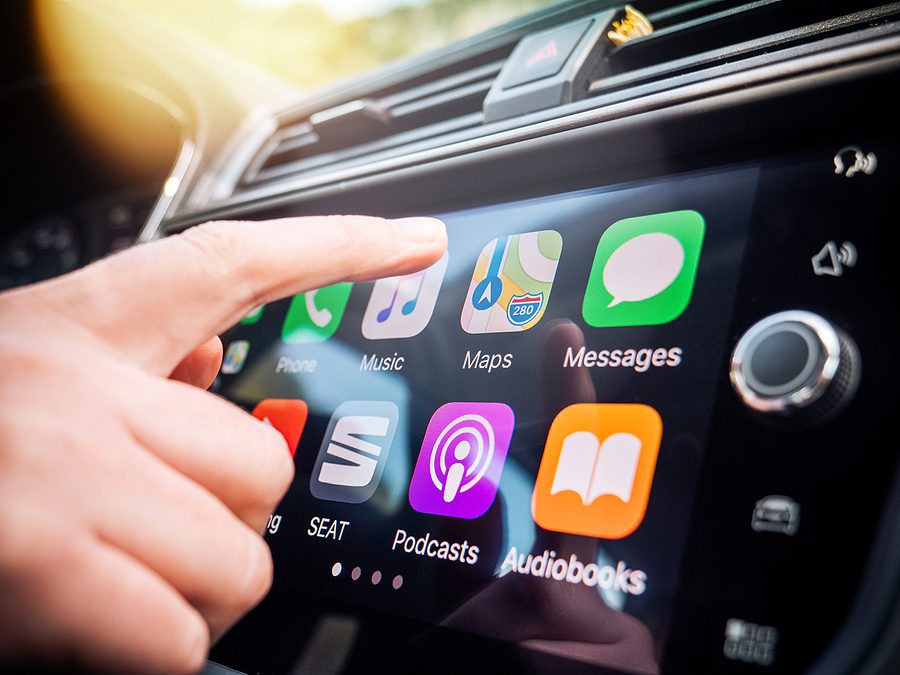
Dashboard Distractions Put Everyone at Risk
Cars today look very different than they did even a decade ago. Touchscreens, voice commands, navigation displays, and smartphone integration are now standard features in many vehicles. While these tools are designed to improve convenience and comfort, they also introduce new risks. Dashboard distractions while driving have become a growing factor in distracted driving accidents, affecting drivers, passengers, and pedestrians alike.
Understanding how these distractions occur, why they matter, and how drivers may reduce their impact can help lower the chances of serious crashes.
How Modern Driving Encourages Distraction
Many drivers spend hours each week behind the wheel, often balancing busy schedules, family responsibilities, and work demands. During these commutes, vehicle technology and smartphones can feel like helpful companions. Navigation systems provide directions, infotainment systems offer music and podcasts, and smartphones connect drivers to messages and calls.
The challenge is that even brief moments of diverted attention may increase risk. Looking down at a screen to adjust music, respond to a notification, or enter an address may take a driver’s eyes and mind off the road long enough for conditions to change. Traffic can slow suddenly, a pedestrian may step into a crosswalk, or another driver may make an unexpected move.
Dashboard distractions while driving are not always dramatic or intentional. Many happen during routine actions that feel harmless, which can make them harder to recognize and control.
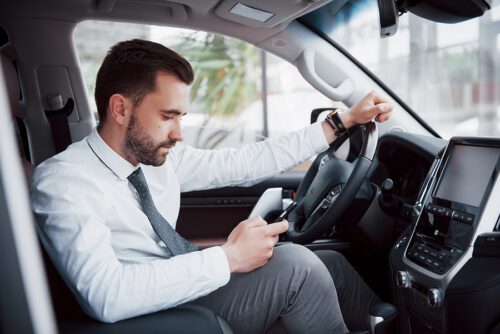
Why Small Distractions Can Lead to Serious Accidents
Distracted driving accidents often occur in seconds. At highway speeds, a vehicle can travel the length of a football field in the time it takes to glance at a screen. During that moment, a driver may miss brake lights ahead, changing traffic signals, or vehicles merging nearby.
Infotainment system distractions add another layer of complexity. Touchscreens frequently require visual and manual input, drawing attention away from driving tasks. Unlike traditional knobs and buttons that drivers could adjust by feel, screens often require precise taps and visual confirmation.
Navigation system driving risks also play a role. Drivers may feel pressure to adjust routes while moving, especially in unfamiliar areas. Missed turns or confusing directions can lead to sudden lane changes or abrupt stops, increasing the likelihood of collisions.
Smartphone use while driving remains one of the most common and dangerous distractions. Even hands-free use can divide attention, while manual texting or scrolling significantly raises crash risk. For parents, commuters, and people juggling multiple responsibilities, the temptation to stay connected can be strong, even when they know it may not be safe.
The Stress and Consequences of Distracted Driving Crashes
When a distracted driving accident happens, the effects can be long-lasting. Injuries may range from minor to severe, and recovery can take weeks, months, or longer. Some people may be able to return to work quickly, while others may face ongoing treatment or limitations that affect income and daily life.
Medical bills, vehicle repairs, and insurance claims often follow. Families may need to rearrange schedules to provide care or transportation. Emotional stress can also take a toll, especially if the accident could have been prevented.
For victims, understanding what caused the crash matters. When dashboard distractions or smartphone use contribute to an accident, determining fault may become more complex. This is where speaking with a car accident lawyer, in distracted driving cases, can help clarify options and next steps.
Common Situations Where Dashboard Distractions Increase Risk
Certain driving situations tend to magnify the dangers of distraction. Heavy traffic, high speeds, and complex road layouts leave little room for error. Drivers may feel confident multitasking during familiar routes, yet these are often the moments when attention drifts.
Here is a list of high-risk situations where dashboard and smartphone distractions often play a role:
- Stop-and-go traffic where drivers glance at their phones while waiting for movement
- Highway driving, where infotainment adjustments take place at higher speeds
- Navigating unfamiliar areas that require frequent interaction with navigation systems
- School zones or residential streets with pedestrians and cyclists present
- Night driving, when reduced visibility already challenges attention
Being aware of these situations may help drivers recognize when extra focus is needed.
Practical Ways Drivers May Reduce Distractions
Reducing dashboard distractions while driving does not require eliminating technology altogether. Instead, it often involves setting boundaries and preparing before the vehicle is in motion.
Drivers should program navigation systems and playlists before starting a trip. Adjusting mirrors, climate controls, and seating ahead of time can also reduce the urge to make changes while driving. Placing smartphones out of reach or using driving mode settings will limit notifications and temptations.
Voice commands can help in some cases, though they still require mental focus. Drivers may want to keep interactions brief and avoid complex commands during busy traffic conditions. For parents, modeling focused driving behavior is the best way to influence young passengers who are learning safe habits.
Small changes in routine can make a difference, especially during daily commutes where habits tend to form quickly.
Legal and Financial Considerations After a Distracted Driving Accident
If a crash occurs, understanding rights and responsibilities becomes important. Victims of distracted driving accidents may be able to pursue compensation for medical expenses, lost wages, and other damages, depending on the circumstances. Evidence indicating that there was use of an infotainment system or smartphone at the time of a crash will play a significant role in determining fault.
A car accident lawyer in distracted driving cases may review police reports, witness statements, and available data to assess what happened. If an attorney is retained quickly after the crash, steps can be taken to preserve and retrieve data to help prove the claim. If an attorney is retained too late, this evidence may disappear and will not be available for use in the claim.
Legal assistance not only helps in evidence gathering and preservation, it helps injured individuals understand whether they may have a claim and what steps to take next. This support can be especially helpful when injuries affect the ability to work or manage daily responsibilities.
Technology, Responsibility, and Safer Roads
Vehicle technology continues to evolve, and manufacturers are exploring ways to reduce driver workload. Even so, no system replaces attentive driving. Screens, alerts, and connectivity tools are designed to assist, not compete with, the task of operating a vehicle.
Drivers who regularly rely on smartphones or dashboard systems may benefit from reassessing how and when they use these tools. A few seconds of attention can make a meaningful difference in preventing crashes and injuries.
Staying focused behind the wheel is a shared responsibility. Each decision to look away, even briefly, carries potential consequences for families, coworkers, and strangers on the road.
Taking the Next Step After a Distracted Driving Crash
If you or someone you care about has been injured in an accident involving dashboard distractions or smartphone use while driving, it may help to speak with an experienced car accident attorney who understands these cases. Their guidance can help you explore your options and determine how to move forward.
Contact Arthur Law Firm right away at (419) 782-9881 for a free consultation to discuss your legal options and learn more about how distracted driving claims are handled.