
What Makes Electric Vehicle Accidents Different?
Electric vehicle accidents can create unique challenges that differ from traditional vehicle crashes. This article is written for drivers and accident victims who want to understand how EV design, battery systems, vehicle weight, and accident investigations may affect a collision. It explains why these crashes may require additional safety considerations, how liability questions can become more complex, and what injured drivers should know when seeking compensation after an accident.
You are stopped at a red light when another vehicle crashes into the side of your car. After the impact, emergency responders approach with extra caution, watching for damage beneath the vehicle. Instead of worrying only about leaking fuel, they are also checking for battery damage and electrical hazards. As electric vehicles become more common on Ohio roads, accidents involving them can present challenges many drivers have never considered.
If you are involved in a collision with an electric vehicle, or if you drive one yourself, then the aftermath may look different than it would after a crash involving a traditional gas-powered vehicle. From vehicle design to battery systems and accident investigations, several factors may affect how the collision is handled and how injuries are evaluated.
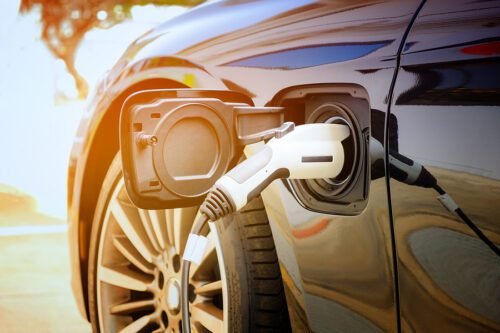
Electric Vehicles Are Built Differently
At first glance, many electric vehicles (EV) resemble traditional cars and sport utility vehicles. Underneath the body, however, there are significant differences that can influence how a crash unfolds.
Instead of relying on an internal combustion engine and fuel tank, electric vehicles are powered by large lithium ion battery packs mounted beneath the floor of the vehicle. Electric motors replace many mechanical components found in gas powered vehicles, creating a different weight distribution and center of gravity.
Many EVs also include advanced technology that investigators may need to evaluate after a collision.
Injury Risks May Not Be the Same
Every motor vehicle accident has the potential to cause serious injuries regardless of the type of vehicle involved. Still, the design of an electric vehicle may influence the forces involved during a collision.
Because battery packs are heavy, many electric vehicles weigh hundreds or even thousands of pounds more than similar gas-powered models. During certain crashes, that added weight may increase the force transferred between vehicles.
Injury severity still depends on many factors, including airbag deployment, occupant position, vehicle speed, and the angle of impact.
No two accidents are identical, which is why every collision requires an individual evaluation.
Battery Damage Creates Additional Concerns
One of the biggest differences after an electric vehicle accident involves the high voltage battery system.
Most collisions do not result in battery fires. However, if the battery pack is damaged during a severe impact, then responders may need to take additional precautions before moving or storing the vehicle.
Lithium ion batteries can sometimes experience thermal runaway, a chain reaction that causes cells within the battery to generate intense heat. In rare situations, this may lead to smoke, fire, or reignition hours after the initial collision.
Damaged electric vehicles are often handled differently, with responders and repair facilities following additional safety procedures.
Heavier Vehicles May Affect Crash Severity
Vehicle weight has always been an important factor in accident reconstruction, and electric vehicles have introduced new considerations.
Many EVs weigh substantially more than comparable gas-powered vehicles because of their battery systems. While the lower center of gravity may reduce rollover risk in some situations, the additional weight may intensify the forces transferred during a collision, or affect the path of the vehicles in unexpected ways.
For occupants of smaller passenger vehicles, crashes involving heavier vehicles may result in greater property damage or more significant injuries depending on the circumstances.
Investigators may evaluate vehicle weight alongside speed, braking distance, road conditions, and impact angles when determining how a crash occurred.
Investigating an Electric Vehicle Accident May Take More Time
Modern vehicles collect significant amounts of electronic data, and electric vehicles are no exception.
Many EVs record information about vehicle speed, braking, steering inputs, battery performance, and driver assistance features before and during a collision. This information may become an important part of an accident investigation.
Investigators may also examine:
- Vehicle data recordings
- Battery system condition
- Damage to high voltage components
- Driver assistance system activity
- Roadway evidence
- Witness statements
- Vehicle maintenance history
- Crash scene photographs
Retrieving and interpreting this information may require additional technical analysis, particularly if there are concerns that technology contributed to the collision.
Why Liability Can Become More Complicated
Many electric vehicle accidents involve the same legal principles that apply to other motor vehicle collisions. Drivers are still expected to operate their vehicles safely, obey traffic laws, and remain attentive behind the wheel.
If there is evidence suggesting a battery defect, electrical malfunction, or failure involving a vehicle system contributed to the accident or made injuries worse, then investigators may examine whether other parties could potentially share responsibility. Depending on the facts, manufacturers, repair facilities, or component suppliers may become part of the investigation.
These cases often require careful review of technical evidence.
Protecting Yourself After an Electric Vehicle Accident
The steps you take after any accident remain important regardless of the type of vehicle involved.
Seeking medical attention allows injuries to be evaluated and documented. Taking photographs of the vehicles, roadway, and surrounding conditions may help preserve valuable evidence. If possible, obtaining witness information and keeping records of medical treatment, repair estimates, and insurance communications may also support your claim.
If an electric vehicle experienced significant battery damage or an unusual mechanical issue following the collision, then documenting those details may also become helpful during the investigation.
As electric vehicles become more common across Ohio, accidents involving them may present questions beyond a typical collision. Battery systems, vehicle weight, and electronic data can all affect an investigation. If you have been seriously injured in an electric vehicle accident that wasn’t your fault, then an experienced attorney may help you better understand your legal options. Contact Arthur Law Firm right away at (419) 782-9881 for a free consultation to discuss your legal options.