Can Driver Assistance Technology Make Roads Safer?
Advanced driver assistance systems are becoming common in newer vehicles, but many drivers are unsure what these technologies actually do and where their limitations begin. This article is written for drivers, passengers, and anyone seeking to better understand how features like automatic emergency braking, lane keeping assistance, and adaptive cruise control affect road safety. The perspective reflects Arthur Law Firm’s experience helping people navigate the legal issues that can arise after serious motor vehicle accidents. It explains how driver assistance technology works, where it may fall short, and how liability may be evaluated when these systems are involved in a crash.
You are driving home after a long day when the car ahead suddenly slams on its brakes. Before you can react, your vehicle sounds an alert and begins braking automatically. Driver assistance systems like this are designed to help us recognize hazards, reduce human error, and lower the risk of collisions.
Still, technology is not perfect. Sensors can miss hazards, cameras may struggle in poor weather, and drivers sometimes place too much trust in features that were never intended to replace attentive driving. When an accident happens, questions may arise about whether the driver, the vehicle manufacturer, or another party may share responsibility.
Understanding what these systems can and cannot do can help you stay safer on the road and better understand your legal options if you are involved in a serious crash.
How Driver Assistance Technology Works
Driver assistance technology, or Advanced Driver Assistance Systems (ADAS), use cameras, radar, sensors, and computer software to monitor a vehicle’s surroundings. These systems gather information and provide warnings or limited driving assistance when they detect potential hazards.
Many newer vehicles include several of these features as standard equipment, while others offer additional systems as optional upgrades.
Some of the most common driver assistance features include:
- Automatic emergency braking
- Lane departure warning
- Lane keeping assistance
- Adaptive cruise control
- Blind spot monitoring
- Rear cross traffic alert
- Forward collision warning
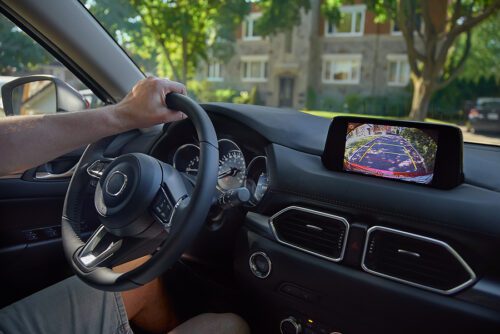
- Parking assistance and backup cameras
Each feature is designed to assist with a specific driving task. Many of these technologies are recommended by the National Highway Traffic Safety Administration (NHTSA), and while they can improve overall safety, these systems are intended to support the driver. They do not replace responsibility for operating the vehicle.
Ways These Systems May Help Prevent Accidents
Human error contributes to many motor vehicle accidents. Distractions, fatigue, speeding, drifting into other lanes, and delayed reaction times can all increase the likelihood of a serious car accident.
Driver assistance systems help reduce some of these risks by monitoring conditions drivers may overlook or get distracted from while driving.
- Automatic emergency braking may reduce the severity of a rear end collision if a driver reacts too slowly.
- Lane departure warnings can alert you if your vehicle begins drifting outside its lane without signaling.
- Blind spot monitoring may identify vehicles that are difficult to see during lane changes.
Adaptive cruise control can also help maintain a safer following distance by automatically adjusting your speed as traffic changes. While these systems cannot prevent every crash, they may reduce the chances of certain types of accidents.
Technology Still Has Limits
Although driver assistance systems have become more advanced, they remain limited by surrounding conditions.
Heavy rain, snow, fog, or ice can interfere with cameras and sensors. Dirty windshields, damaged equipment, or faded lane markings may reduce system performance. Construction zones, unexpected road hazards, and unusual traffic patterns may also confuse automated features.
Drivers sometimes assume these technologies will respond perfectly in every situation. Unfortunately, that is not always the case.
Automatic emergency braking may not detect every object in the roadway. Lane keeping assistance may stop functioning if lane markings are difficult to identify. Adaptive cruise control may not react appropriately when another vehicle suddenly cuts into traffic.
The Risks of Becoming Too Comfortable
One unintended consequence of driver assistance technology is that some drivers begin relying on it more than they should.
Features that make driving easier can create a false sense of security. A driver may become distracted by a phone, adjust navigation settings, or pay less attention because the vehicle appears to be handling many driving tasks.
Manufacturers consistently remind drivers that they must remain engaged behind the wheel. Most driver assistance systems are designed to assist, not operate the vehicle independently. Even vehicles with more advanced automation still require drivers to monitor traffic and be prepared to react immediately.
Remaining alert is still one of the best ways to reduce the risk of an accident.
Who May Be Responsible if Technology Contributes to a Crash?
Determining liability after an accident involving driver assistance technology can be more complicated than a typical collision.
In many situations, the driver may still be responsible because drivers are expected to maintain control of their vehicles regardless of available technology.
However, there are circumstances where additional parties may also be involved. If a system malfunctioned because of a manufacturing defect, defective software, or faulty sensors, then the vehicle manufacturer or component supplier may potentially share responsibility. In other cases, improper repairs or maintenance performed by a dealership or repair facility may become part of the investigation.
Each accident presents unique facts. Investigators may review vehicle data, maintenance records, witness statements, accident reconstruction evidence, and the performance of the driver assistance systems before reaching conclusions.
Protecting Yourself After an Accident
If you are involved in an accident with a vehicle equipped with driver assistance technology, then documenting what happened can become especially important.
Photographs of the vehicles, road conditions, weather, traffic signs, and visible damage may help preserve valuable evidence. Medical records, repair estimates, and witness information can also help build a clearer picture of what occurred.
If the accident involved a suspected equipment malfunction, then preserving the vehicle before repairs are made may allow additional inspection if necessary. Modern vehicles often store electronic data that may provide information about braking, steering, speed, and the operation of certain driver assistance features immediately before a crash.
Driver assistance technology has made modern vehicles safer in many ways, but it cannot eliminate every risk on the road. These systems work best when paired with attentive, responsible driving. If you have been injured in an accident where driver assistance technology may have played a role, then understanding your legal rights is an important first step. An experienced attorney can review the circumstances of your case and help determine what options may be available. Contact Arthur Law Firm right away at (419) 782-9881 for a free consultation to discuss your legal options.