
How to File a Personal Injury Claim for Your Child
Seeing your child hurt in an accident is every parent’s worst nightmare. Beyond the immediate shock and concern for their health, families often face confusing legal and financial challenges. If someone else’s negligence caused your child’s injury, you may have the right to pursue compensation through a personal injury claim. While filing a claim for a minor involves additional legal steps, understanding the process can help you protect your child’s rights and secure support for their recovery.
The Challenges of Filing a Claim for a Minor
When a child is injured in an accident, parents or guardians often find that filing a personal injury claim for a minor is far more complicated than handling an adult case. State laws generally specify that minors (individuals under 18), are not able to file lawsuits on their own. This means a parent, guardian, or court-appointed representative must act on their behalf, and engage a lawyer to do so.
These claims often involve multiple stages of legal review and separate court approval once a settlement is reached. The goal is to make sure that appropriate compensation is obtained to benefit the child, and that it is managed responsibly. However, the process can feel overwhelming, especially while parents are focused on helping their child heal.
Filing deadlines may also differ when minors are involved. In many states, the statute of limitations for personal injury claims is extended until the child reaches adulthood, but waiting too long to act can still harm the case. Evidence can fade, witnesses can become harder to locate, and insurance companies may challenge late filings.
Mistakes in paperwork or calculating damages can also affect the outcome. Parents trying to manage the process without legal help may find themselves struggling to meet court requirements or prove the full extent of their child’s injuries. Working with an experienced child injury lawyer may help families avoid costly delays and move forward with confidence.
The Hidden Burden of a Child’s Injury
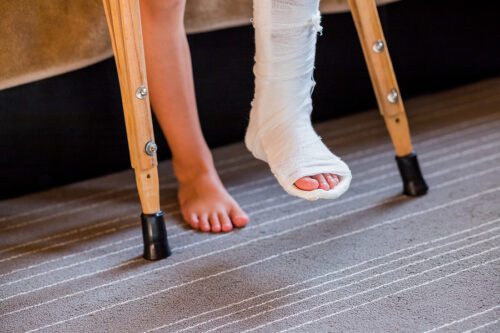
The impact of a child’s injury often goes far beyond the physical harm. A serious accident may require long-term medical treatment, physical therapy, or counseling. Some children may need special education services or home modifications to accommodate their recovery. These needs can last months, years, or even a lifetime, depending on the severity of the injury.
Families may also face lost income if a parent must take time off work to care for their child. Balancing financial stress, emotional exhaustion, and medical decisions can take a toll on everyone involved. For many parents, trying to manage these challenges while also navigating complex legal procedures can feel nearly impossible.
Insurance companies may add to the frustration by questioning claims, downplaying injuries, or offering quick settlements that do not cover the actual cost of care. Without professional guidance, families may unintentionally accept less compensation than their child’s case deserves.
The emotional weight of these experiences can linger long after the accident. Parents often feel guilt or worry, while children may experience fear, anxiety, or trauma related to the incident. Seeking legal support not only helps protect financial recovery but may also allow families to focus on what matters most: healing and emotional well-being.
Steps to Protect Your Child’s Rights
While each personal injury case is different, specific steps may help parents protect their child’s interests and strengthen their claim. Taking these actions early can make a meaningful difference in the outcome of the case:
- Seek immediate medical attention. Even if your child’s injuries appear minor, medical documentation is key. Some injuries, including concussions or internal trauma, may not show symptoms right away.
- Gather and preserve evidence. Photos of the accident scene, witness statements, and any official reports may be used to support your claim later. Keep copies of medical records, bills, and receipts related to treatment.
- Avoid discussing fault with insurers before speaking with a lawyer. Insurance adjusters may seem helpful, but they often aim to reduce payouts. It is usually best to have an accident lawyer handle those communications.
- Document your child’s recovery. Keep a journal of symptoms, emotional changes, or ongoing treatment needs. This information may help demonstrate the full impact of the injury.
- Consult with a child injury lawyer. Legal professionals who handle minor injury compensation cases can guide families through each step of the claims process, from filing paperwork to negotiating settlements.
By following these steps, parents may better protect their child’s claim and reduce the risk of procedural errors that could delay or reduce compensation.
Understanding Compensation for Child Injuries
Calculating damages for a child’s personal injury claim is more complex than it might appear. Unlike adult claims, the long-term consequences of a child’s injury may not be immediately evident. A broken bone could heal fully, or it could lead to growth complications that affect the child’s development.
Damages for child injury claims often include:
- Medical expenses: Hospital care, surgeries, rehabilitation, medication, and follow-up appointments.
- Future medical costs: Potential long-term treatments, therapy, or special education needs.
- Pain and suffering: The physical and emotional distress caused by the injury.
- Loss of future earnings: If the injury may impact the child’s ability to work or live independently later in life.
- Parental losses: Time missed from work, medical bills or other financial burdens related to caring for the injured child.
The Importance of Skilled Legal Support
Filing a personal injury claim for a minor involves unique legal rules. Working with an attorney experienced in child injury cases may help parents avoid common pitfalls. A qualified lawyer can help by:
- Reviewing the circumstances of the accident to identify negligence or unsafe conditions.
- Gathering medical records, witness statements, and expert opinions to strengthen the case.
- Handling communication with insurance companies to prevent undervalued settlements.
- Negotiating fair compensation that accounts for both current and future needs.
- Representing the family in court if a settlement cannot be reached.
An accident lawyer who understands how to file a claim for a minor may also explain how state-specific laws affect the case timeline and potential compensation.Parents who try to manage this process alone may unintentionally miss opportunities for a stronger recovery.
In addition, a lawyer can provide emotional relief by taking on the complex administrative and legal work, allowing families to focus on their child’s healing. Having professional representation can make a difficult experience feel more manageable and may improve the likelihood of a positive outcome.
Protecting Your Child’s Future
No parent expects to face the challenge of pursuing a personal injury claim for their child. The process can feel unfamiliar and stressful, especially while managing medical care and emotional recovery. However, understanding your rights and seeking professional guidance may help protect your child’s future.
Prompt action, proper documentation, and strong legal representation can all contribute to a fair resolution. Even if the accident seems straightforward, consulting with a child injury lawyer can provide clarity and peace of mind. A lawyer may help identify all available forms of compensation and handle communication with insurers or opposing parties.
Every child deserves a fair chance at recovery after an accident caused by negligence. Financial compensation may not erase the trauma, but it can provide access to essential services, including medical care, counseling, and stability during a difficult time.
If your child has been injured due to another person’s carelessness, contact Arthur Law Firm for a free consultation. Our legal team can review your situation, explain your options, and guide you through the process of filing a claim. Taking this step may help your family receive the support needed to move forward with confidence and focus on your child’s recovery.